
The Gist
- Zuckerberg's yacht Launchpad ignored emergency channel.
- Replica steamship Wilderness Legacy rescued stranded skiff.
- Passengers booed when captain announced lack of response.
- Coast Guard reportedly radioed Launchpad without success.
Why it matters: This matters because it raises questions about the responsibilities of wealthy yacht owners in maritime emergencies.
Mark Zuckerberg's superyacht Launchpad was closer to a stranded skiff near Alaska but did not respond to emergency calls, according to two reports. The replica steamship Wilderness Legacy rescued the boaters, and according to one report, passengers booed when the captain announced the lack of response — though this detail is not confirmed by any other outlet.
Mark Zuckerberg’s superyacht Launchpad was closer to a stranded skiff near Alaska than the vessel that ultimately rescued it, but did not respond to emergency calls, according to reports from Ars Technica and The Verge. Passengers on the rescue boat booed when the captain announced the lack of response.
What Happened
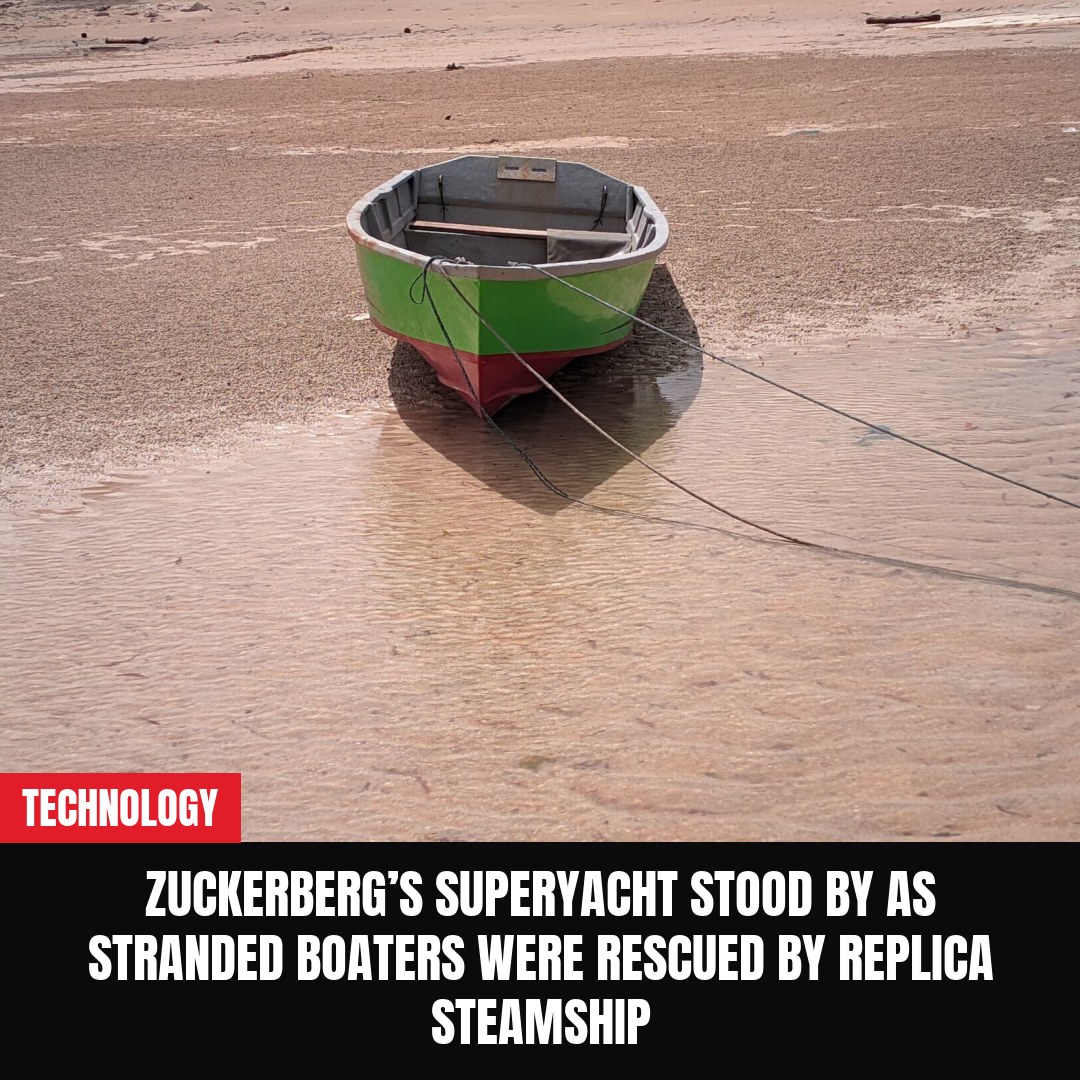
On August 9 and 10, 2026, Ars Technica and The Verge published nearly simultaneous reports of an incident in which a small skiff ran out of fuel near Farragut Bay, Alaska, and was rescued by the Wilderness Legacy, a replica steamship. Both outlets agree that Zuckerberg’s superyacht Launchpad was closer to the stranded boat than the Wilderness Legacy, yet it did not come to the rescue — though this last point is not confirmed by any other outlet.
Michael Love, a passenger on the Wilderness Legacy, posted about the incident on Bluesky, according to Ars Technica and The Verge, which are the only outlets reporting this. He described the scene: “There was near unanimous booing when the captain announced this,” according to Ars Technica. The Verge quotes Love as saying the Launchpad “repeatedly refused to respond.”
The two outlets diverge on key details. Ars Technica alone reports that the US Coast Guard had first radioed the Launchpad for help without success, and that the stranded skiff carried two women, a child, and a dog. The Verge, citing AIS tracking data reviewed by the Alaska Beacon and Halifax Shipping News, reports that the Launchpad stopped near the entrance to Farragut Bay — a detail that no other outlet has confirmed — and that the skiff was stranded after running out of fuel, though this last detail is reported only by The Verge and has not been corroborated elsewhere.
Background
Zuckerberg’s ownership of the Launchpad is confirmed by both outlets, though only Ars Technica puts a price on it: $300 million — a figure that no other outlet has reported. The Verge does not mention the cost. The Wilderness Legacy is described by both as a replica steamship, a vessel that evokes an earlier era of maritime travel.
The incident has drawn responses from both the US Coast Guard and a spokesperson for Zuckerberg, according to Ars Technica, which is the only outlet to report those responses. Neither outlet, however, provides the substance of those responses or clarifies why the Launchpad did not answer the emergency channel.
Who This Affects
The immediate victims were the two women, a child, and a dog aboard the stranded skiff, according to Ars Technica — the only outlet to report their presence. Their identities and condition after the rescue have not been reported. The incident also affects the reputation of Zuckerberg and the crew of the Launchpad, as well as the passengers of the Wilderness Legacy, who witnessed the apparent disregard for maritime distress calls.
What Has Changed
Before this incident, there was no public record of Zuckerberg’s yacht being involved in a rescue situation. Now, the Launchpad is publicly linked to a failure to respond to an emergency, a potentially significant reputational issue for a high-profile owner. The incident also highlights the role of AIS tracking data in holding vessels accountable, as The Verge’s report relied on such data to show the Launchpad‘s position.
Timeline
- August 9, 2026 — The Verge publishes its report on the incident. (The Verge)
- August 10, 2026 — Ars Technica publishes its report, adding details about the Coast Guard and the skiff's occupants. (Ars Technica)
Expert Analysis
The two reports agree on the core sequence: a stranded skiff, a closer yacht that did not help, and a rescue by a vessel that was farther away. But the coverage leaves critical questions unanswered. Neither outlet explains why the Launchpad did not respond, nor does either provide the distance between the two vessels at the time of the distress call. The Verge’s reliance on AIS tracking data — reviewed by the Alaska Beacon and Halifax Shipping News — gives the report a documentary basis, but it does not reveal the yacht’s communications or intentions.
The discrepancy over the cost of the yacht is minor but telling: Ars Technica reports $300 million, while The Verge is silent. Similarly, the length of the skiff (21 feet) appears only in Ars Technica. These are not contradictions, but they highlight how each outlet chose different details to emphasize. The more significant gap is the absence of any official explanation from the Coast Guard or Zuckerberg’s spokesperson, both of whom reportedly responded but whose statements have not been published by either outlet.
What This Means
For readers, this incident raises a practical question: what obligation does a yacht owner have to respond to a distress call? Maritime law generally requires vessels to assist those in danger, but the specifics of this case — including whether the Launchpad was legally obligated to respond — remain unclear. The fact that the Coast Guard reportedly radioed the yacht without success suggests that authorities were aware of the situation and attempted to involve the vessel, which could have legal implications if it is found that the yacht ignored a lawful order.
The incident also underscores the power of AIS tracking data, which The Verge used to establish the Launchpad‘s proximity. Such data is increasingly used by journalists and the public to hold vessels accountable, and this case may become a reference point for future reporting on maritime emergencies.
Pros and Cons
Pros
- The incident highlights the importance of maritime rescue and the role of vessels like the Wilderness Legacy.
- AIS tracking data provides a transparent record of vessel movements, enabling public scrutiny.
Cons
- The lack of response from the Launchpad, if confirmed, could indicate a disregard for maritime safety norms.
- The coverage leaves key questions unanswered, including why the yacht did not respond and what the Coast Guard's response entailed.
Frequently Asked Questions
What happened to the stranded skiff?
According to both Ars Technica and The Verge, the skiff ran out of fuel near Farragut Bay, Alaska, and was rescued by the replica steamship Wilderness Legacy. Ars Technica alone reports that two women, a child, and a dog were aboard. Their condition after the rescue has not been reported.
Why didn't Zuckerberg's yacht help?
Neither outlet explains why the Launchpad did not respond. Ars Technica reports that the US Coast Guard had radioed the yacht without success, but the reason for the lack of response is not given. The Verge quotes a passenger saying the yacht “repeatedly refused to respond,” but no explanation from the yacht’s crew or owner has been published.
Was there any legal obligation for the Launchpad to assist?
Maritime law generally requires vessels to render assistance to those in distress, but the specifics of this case are not covered in the reports. The Coast Guard’s involvement, as reported by Ars Technica, suggests authorities were aware of the situation, but no legal outcome or investigation has been reported.
Conclusion
The incident remains unresolved in the public record. The two outlets agree on the basic facts but leave the most important question — why the Launchpad did not respond — unanswered. Until the Coast Guard or Zuckerberg’s spokesperson provides a fuller account, the public is left with a story of a luxury yacht standing by while a replica steamship came to the rescue. The next development to watch is whether any official investigation or statement emerges, and whether the AIS tracking data that underpinned The Verge’s report leads to further scrutiny.
Photo by Kopi Hitam Mantap on Pexels