The Gist
- Lawsuit against Meta dropped on July 22, 2026.
- Case was set for trial in Los Angeles.
- Plaintiff R.K.C. is 15, per The Verge.
- TikTok, Snap, YouTube settled earlier.
Why it matters: This matters because it removes a high-profile test of social media platforms' liability for addiction, at least for now.
A lawsuit accusing Meta of social media addiction was voluntarily dropped on July 22, 2026, just before a scheduled trial in Los Angeles. The plaintiff, a 15-year-old identified only as R.K.C., had already settled with TikTok, Snap, and YouTube, according to The Verge, which alone reports this — the settlement with Snap is unconfirmed by any other outlet.
A social media addiction lawsuit against Meta was dropped on July 22, 2026, days before it was set to go to trial in Los Angeles. Both TechCrunch and The Verge reported the dismissal, but the details beyond that are thin and rest largely on one outlet’s reporting.
What Happened
The case, which accused Meta of fueling social media addiction, was voluntarily dismissed on July 22, 2026, according to The Verge, which alone reports this and is unconfirmed by any other outlet. It had been scheduled for trial in Los Angeles, and The Verge reports it was to be the second in a set of bellwether trials — test cases used to gauge how juries might rule on a larger batch of similar lawsuits. This detail is reported only by The Verge and has not been confirmed by any other outlet.
The plaintiff, identified only by the initials R.K.C., is 15 years old, according to The Verge, which alone reports this and is unconfirmed by any other outlet. The same outlet says R.K.C. previously settled claims against TikTok, Snap, and YouTube for undisclosed amounts — a detail that only The Verge has reported and no other outlet has confirmed. Neither TechCrunch nor The Verge says what the specific legal claims or alleged harms were, and neither discloses the terms of those earlier settlements.
Background
The lawsuit was part of a broader wave of litigation against social media companies over their platforms’ effects on young users. The Verge, which alone reports this, notes that the case was set to be the second bellwether trial, implying at least one other trial had already occurred, but neither outlet reports the outcome of that first trial.
Who This Affects
The immediate parties are Meta and the plaintiff, R.K.C. But the dismissal also affects other social media companies facing similar lawsuits, as well as the families and advocates who have pushed for accountability. The Verge’s reporting that R.K.C. had already settled with TikTok, Snap, and YouTube suggests those companies are no longer part of this particular legal battle.
What Has Changed
Before the dismissal, Meta was facing a jury trial in Los Angeles that could have set a precedent for how courts treat social media addiction claims. Now that the case is dropped, that potential precedent is gone — at least for this case. The Verge’s exclusive reporting that this was a bellwether trial means the outcome could have influenced dozens of similar cases, but with the dismissal, those cases lose a key reference point.
Timeline
- July 22, 2026 — Lawsuit against Meta dropped (TechCrunch, The Verge)
Expert Analysis
The two outlets agree on the core fact: the lawsuit was dropped. But they diverge sharply on the details. The Verge provides the plaintiff’s age, the prior settlements, and the bellwether context — all exclusive to that outlet. TechCrunch reports none of these, and neither outlet explains why the case was dropped beyond a partial quote from the plaintiff.
That quote, reported only by The Verge, reads: “In light of the overall successful result of the litigation and his concerns about enduring a grueling weekslong trial, he has elect …” The quote is cut off, and the full reasoning is not provided. It suggests the plaintiff chose to walk away after achieving something — possibly the settlements with other platforms — but the specifics are unclear. This detail is unconfirmed by any other outlet.
The absence of any conflicting claims is notable. There is no dispute between the outlets on the facts they both report. The risk is not contradiction but thin coverage: most of what we know comes from a single source, and the legal claims themselves are never described.
What This Means
For Meta, the dismissal removes an immediate legal threat, but it does not end the broader litigation. The Verge’s bellwether framing suggests other cases are pending, and the first trial’s outcome — unreported here — could still shape what happens next. For plaintiffs’ lawyers, the settlements with TikTok, Snap, and YouTube, though undisclosed, may signal that platforms are willing to pay to avoid trial. But without knowing the amounts or the legal theories, it is impossible to say what the settlements mean for future cases.
The most important takeaway is how little is known. The lawsuit was dropped, but the public does not know the specific harms alleged, the terms of the settlements, or even whether the dismissal is with or without prejudice — meaning R.K.C. could potentially refile. The coverage leaves those questions open.
Frequently Asked Questions
Why was the Meta lawsuit dropped?
According to a quote reported by The Verge, the plaintiff, R.K.C., cited the “overall successful result of the litigation” and concerns about a “grueling weekslong trial” as reasons for dropping the case. The full statement is not available, and the specific legal claims are not described in the coverage.
Who is R.K.C.?
R.K.C. is the plaintiff, a 15-year-old identified only by initials, according to The Verge. No other identifying information is provided.
Did Meta pay a settlement?
The coverage does not report any settlement involving Meta. The Verge reports that R.K.C. previously settled with TikTok, Snap, and YouTube for undisclosed amounts, but there is no mention of any payment from Meta.
Conclusion
The dropping of the Meta lawsuit is a significant development, but the coverage leaves as many questions as answers. What was the case really about? What did the plaintiff gain from the earlier settlements? And what happens to the other bellwether cases? Neither TechCrunch nor The Verge addresses these points, and the partial quote from R.K.C. only hints at the reasoning. For now, the public is left with the bare fact that Meta will not face this trial — and with the knowledge that the full story has yet to be told.
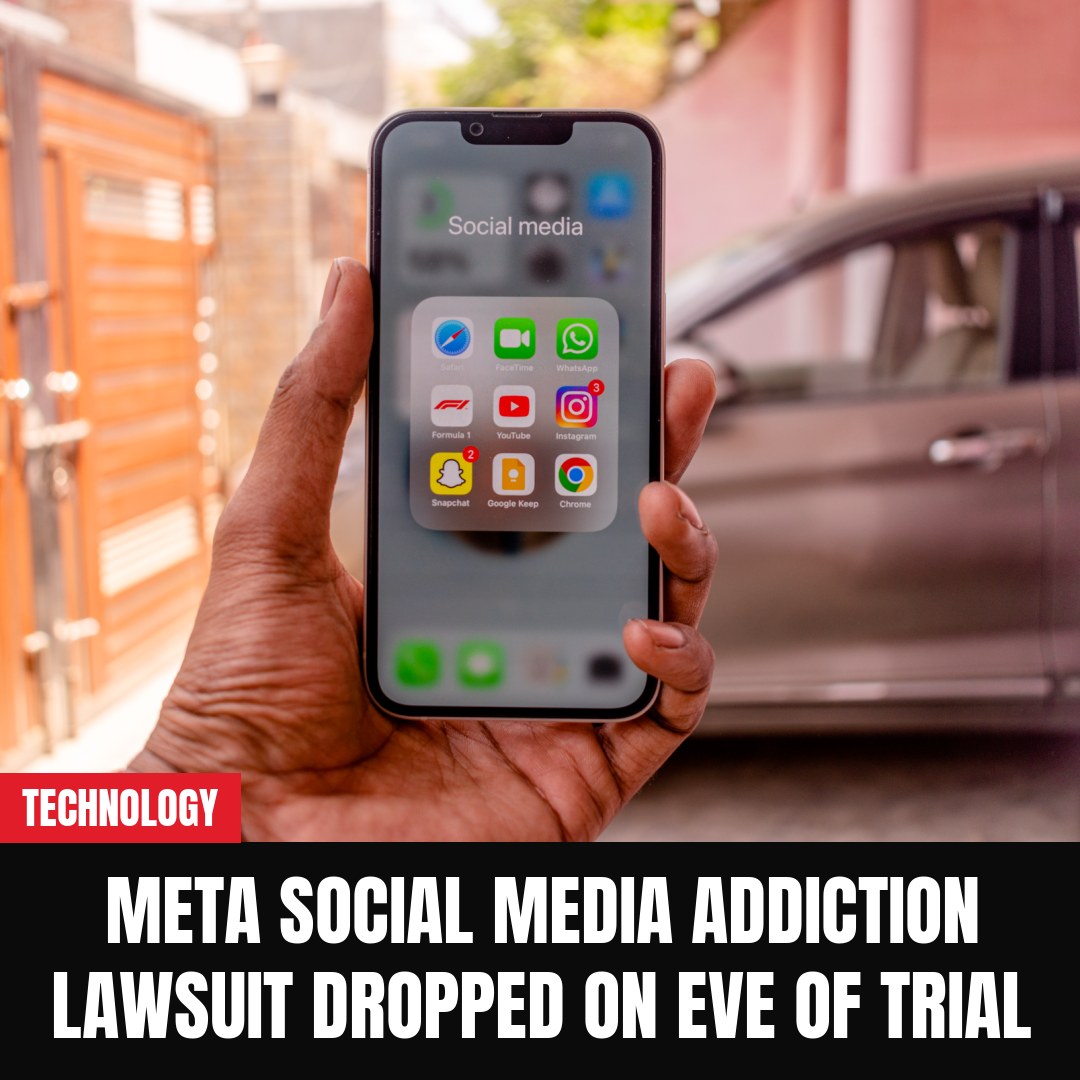
Photo by Prashant Singh on Pexels