The Gist
- Published 7 August 2026 by GOV.UK – UK Visas & Immigration.
- English levels vary by visa route; check the specific requirement.
- You must prove your level with an approved test or qualification.
- Check the official guidance before you apply.
Why it matters: Knowing the exact English level you need can save you time, money, and a refused application.
This guide explains the English language requirement levels for UK immigration applications, as published by GOV.UK. It covers who needs to prove their English, the levels required for different visa routes, how to apply, and what to do if you're unsure about your situation.
Most people applying to live, work, study, or settle in the UK must prove their English language ability. The English language requirement levels for UK immigration vary by visa route, so knowing exactly what you need before you apply can save you time, money, and the disappointment of a refusal. This guide breaks down who must meet the requirement, what levels apply, and how to prove your English.
At a glance
- Published: 7 August 2026
- Publisher: GOV.UK – UK Visas & Immigration
- Applies to: most UK visa, settlement, and citizenship applications
- Levels: A1, B1, B2, and higher, depending on the route
- Proof: approved test or degree taught in English
- Exemptions: nationals of majority English-speaking countries
Who Needs to Meet the English Language Requirement for Immigration…
Most people applying to live, work, study, or settle in the UK must prove their English language ability. The requirement applies to many visa routes, including skilled worker visas, family visas, and applications for indefinite leave to remain or citizenship. However, some applicants are exempt. For example, you may not need to prove your English if you are a national of a majority English-speaking country, or if you are under 18 or over 65. The guidance from GOV.UK – UK Visas & Immigration sets out the full list of exemptions.
If you are not sure whether you need to meet the requirement, check the official guidance. It is your responsibility to confirm your situation before you apply. Applying without the right English level can lead to a refusal.
What English Levels Are Required for Immigration Applications
The level of English you need depends on the visa route you are applying for. The UK uses the Common European Framework of Reference for Languages (CEFR) to describe levels. For example, some routes require level A1, which is a basic level, while others require B1, B2, or even higher. The guidance document lists the specific levels for each route. It is important to check the level for your particular application, because it is not the same for every visa.
For instance, a family visa may require A1, while a skilled worker visa might require B1. If you are applying for citizenship, you may need B1. Always confirm the exact level in the guidance before you book a test or gather evidence.
How to Prove Your English Level for Immigration Applications
You can prove your English level in several ways. The most common is to take an approved English language test. The UK government accepts tests from approved providers, such as IELTS Life Skills or Trinity College London. You must take the test at a centre approved by UK Visas & Immigration. The test result must show that you have achieved the required level in speaking and listening, and sometimes in reading and writing, depending on the route.
You can also prove your English by having a degree that was taught in English. If you have a degree from a UK university, or from an overseas institution that is recognised as being taught in English, you may be able to use that as proof. You will need to provide the original certificate and, if necessary, a letter from the institution confirming the medium of instruction.
If you are a national of a majority English-speaking country, you do not need to prove your English at all. The guidance lists the countries that are exempt.
Key Dates and Deadlines for the English Language Requirement
The guidance document was published on 7 August 2026. It is the current version that you should use for your application. There is no application deadline for the requirement itself, because it is part of your visa application. However, you must meet the requirement at the time you submit your application. If your test result is old, it may not be accepted. The guidance does not state a specific validity period for test results, but you should check the rules for your visa route. If you are unsure, contact UK Visas & Immigration or check the official guidance.
How to Apply for the English Language Requirement
You do not apply for the English language requirement separately. It is part of your main immigration application. When you complete your visa application form, you will be asked to provide evidence that you meet the English requirement. You will need to upload your test certificate or degree certificate as part of your supporting documents.
Here are the steps to follow:
- Check the guidance to confirm the exact level required for your route.
- If you need to take a test, book it with an approved provider. Make sure the test centre is approved by UK Visas & Immigration.
- Prepare for the test and take it in time for your application. Tests can be booked weeks in advance, so plan early.
- If you are using a degree, gather your certificate and any supporting letter.
- Complete your visa application form and upload your evidence.
- Submit your application before the deadline for your visa route.
For full details, read the official guidance on GOV.UK. You can also check the specific visa pages for your route.
Useful Tips for Meeting the English Language Requirement
Start early. English tests can be booked up, and you need time to prepare. If you are not confident about your level, consider a preparation course. Many test providers offer free practice materials.
Keep copies of everything. You will need your test certificate or degree certificate for your application, and you may need it again for future applications, such as settlement or citizenship.
If you are using a degree, make sure it is from a recognised institution. The guidance lists the qualifications that are accepted. If you are unsure, check with UK Visas & Immigration before you apply.
Finally, do not guess. The English requirement is a common reason for visa refusals. If you are not sure which level applies to you, read the guidance or seek advice from a qualified immigration adviser.
Frequently Asked Questions
What English level do I need for a UK spouse visa?
For a family visa as a partner, you usually need level A1 in speaking and listening. However, you should check the official guidance because requirements can change. The guidance on GOV.UK – UK Visas & Immigration sets out the levels for each route.
How long is my English test result valid for?
The guidance does not state a specific validity period for English test results. However, for most visa applications, test results are accepted if they are not too old. Check the specific visa route guidance or contact UK Visas & Immigration to confirm.
Can I use my university degree as proof of English?
Yes, if your degree was taught in English. You will need to provide your degree certificate and, if required, a letter from the university confirming that the medium of instruction was English. The guidance lists the accepted qualifications.
Do I need to prove my English if I am from the USA?
No, if you are a national of a majority English-speaking country, you are exempt from the English language requirement. The guidance lists the countries that are exempt, and the USA is one of them.
Before you apply
Meeting the English language requirement is a key step in many UK immigration applications. The best way to avoid mistakes is to read the official guidance on GOV.UK. Check the level for your route, book your test early, and gather your evidence. If you are unsure about anything, the guidance is your first stop. You can also contact UK Visas & Immigration for help.
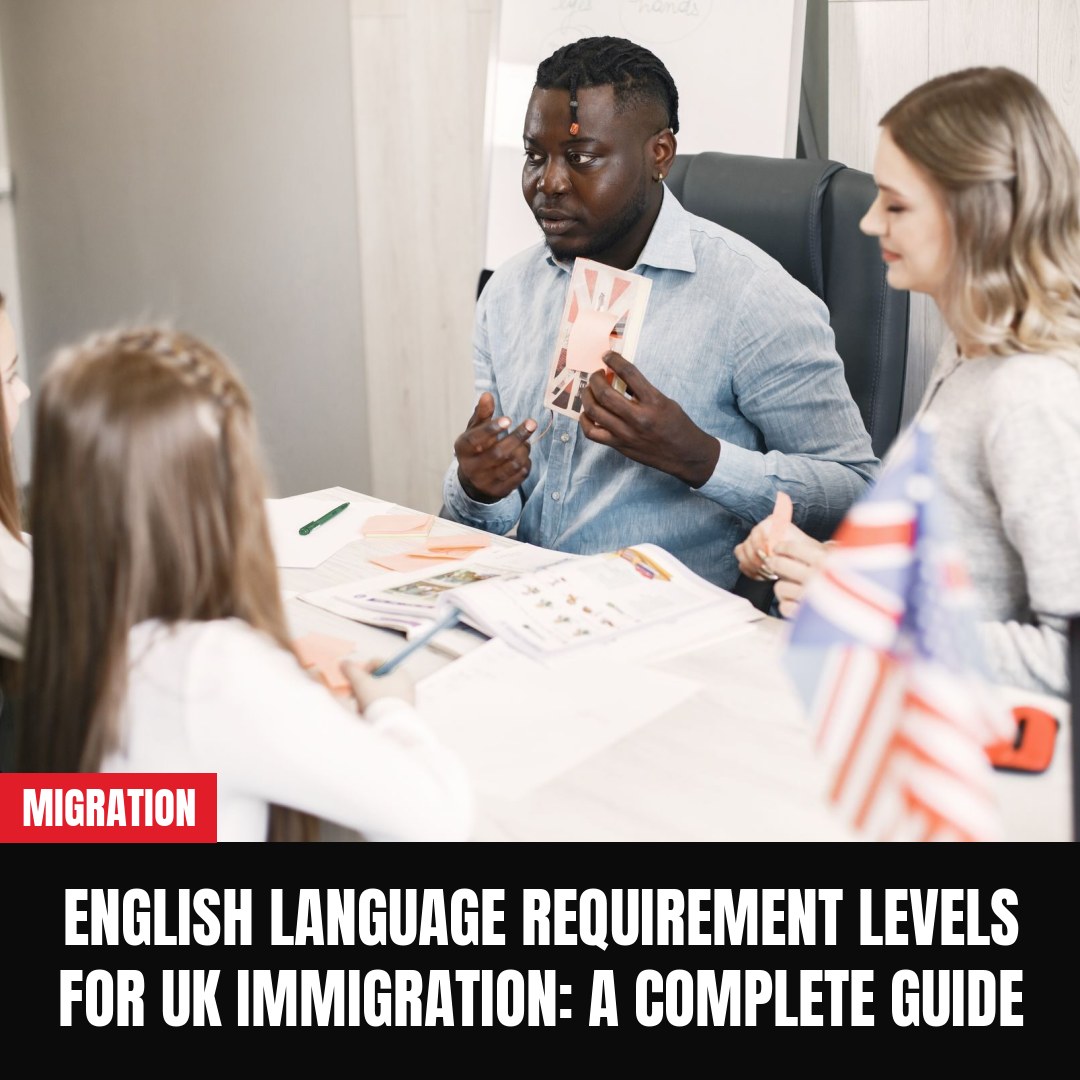
Photo by Gustavo Fring on Pexels
Contains public sector information licensed under the Open Government Licence v3.0.