

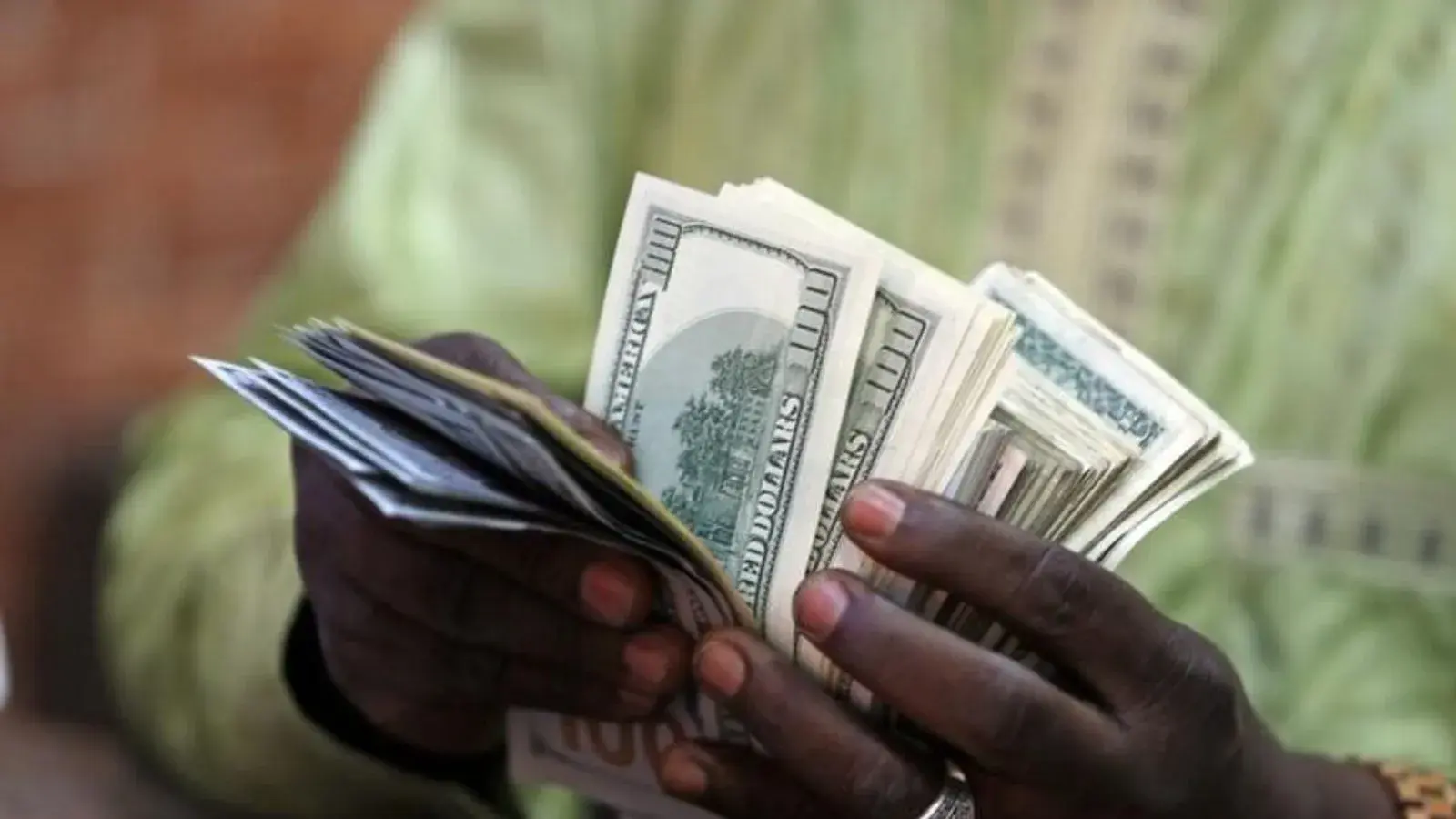
Nigeria’s foreign reserves have soared above $46 billion, hitting levels not seen since 2018, according to Central Bank of Nigeria (CBN) Governor Yemi Cardoso. The announcement was made by Deputy Governor for Economic Policy, Dr. Muhammad Abdullahi, at a special event in Abuja celebrating 20 years of the CBN’s Monetary Policy Department. The strengthened reserves are now robust enough to cover over 10 months of imports, a huge boost for Nigeria’s macroeconomic stability.
The CBN is optimistic that lending rates will ease in the coming months, expecting a continued decline in inflation to make credit more accessible and encourage investment growth across the economy. Recent data showed the naira trading slightly weaker at the official market at ₦1,448.03 per dollar, but firming marginally on the parallel market at ₦1,455.
The surge in reserves, now at $46.7 billion, has been linked to Eurobond issuance by the federal government and stronger foreign exchange inflows, with October 2025 marking the highest inflow since May. Experts attribute the growth to improved investor confidence and a more stable macroeconomic environment.
However, Foreign Direct Investment (FDI) fell by 25% month-on-month to $222 million, highlighting ongoing concerns around security challenges and policy uncertainties affecting long-term investor sentiment.