

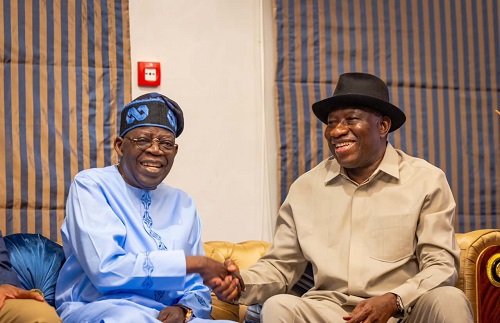
Daniel Bwala, President Bola Tinubu’s adviser on policy communication, has defended Tinubu’s 2014 call for former President Goodluck Jonathan to resign after the Chibok girls were abducted.
According to Bwala, the criticism was justified because the Jonathan administration was allegedly in denial and lacked a clear solution to the nation’s security crisis.
He noted that during Jonathan’s tenure, terrorists reportedly controlled some local governments and even collected taxes—unlike now, where attackers strike and flee without taking over territories.
As Nigerians question whether Tinubu should be held to the same standard amid rising insecurity and school kidnappings, Bwala insists Tinubu’s past comments remain valid.
He also maintained that the current administration upholds a strict no-negotiation policy with terrorist groups, adding that previous governments sometimes resorted to unconventional methods due to the complexity of Nigeria’s security challenges.
“There was a time the federal government was negotiating (with terrorists), and I think that el-Rufai once talked about a national policy at that time, when they said both states and the federal government can be in a situation where they will have to negotiate,” he said.
“Because if your duty is to preserve the life of people, and citizens of Nigeria are in danger, and negotiation is the only way to save them, and you have to save them, then you have to do all that you need to do to save them at that time.”
He said Tinubu rejected such an approach because ransom payments ultimately strengthen terrorist groups. “President Tinubu came with this zero tolerance on negotiation because it didn’t fit into this terrorism financing. You see, you are constructively financing terrorism without knowing it,” he said.
“So instead of elements who are sponsoring them by giving them the money as ransom to collect the people, they also use the ransom money to buy more weapons. So the federal government does not tolerate the idea of negotiation.”