
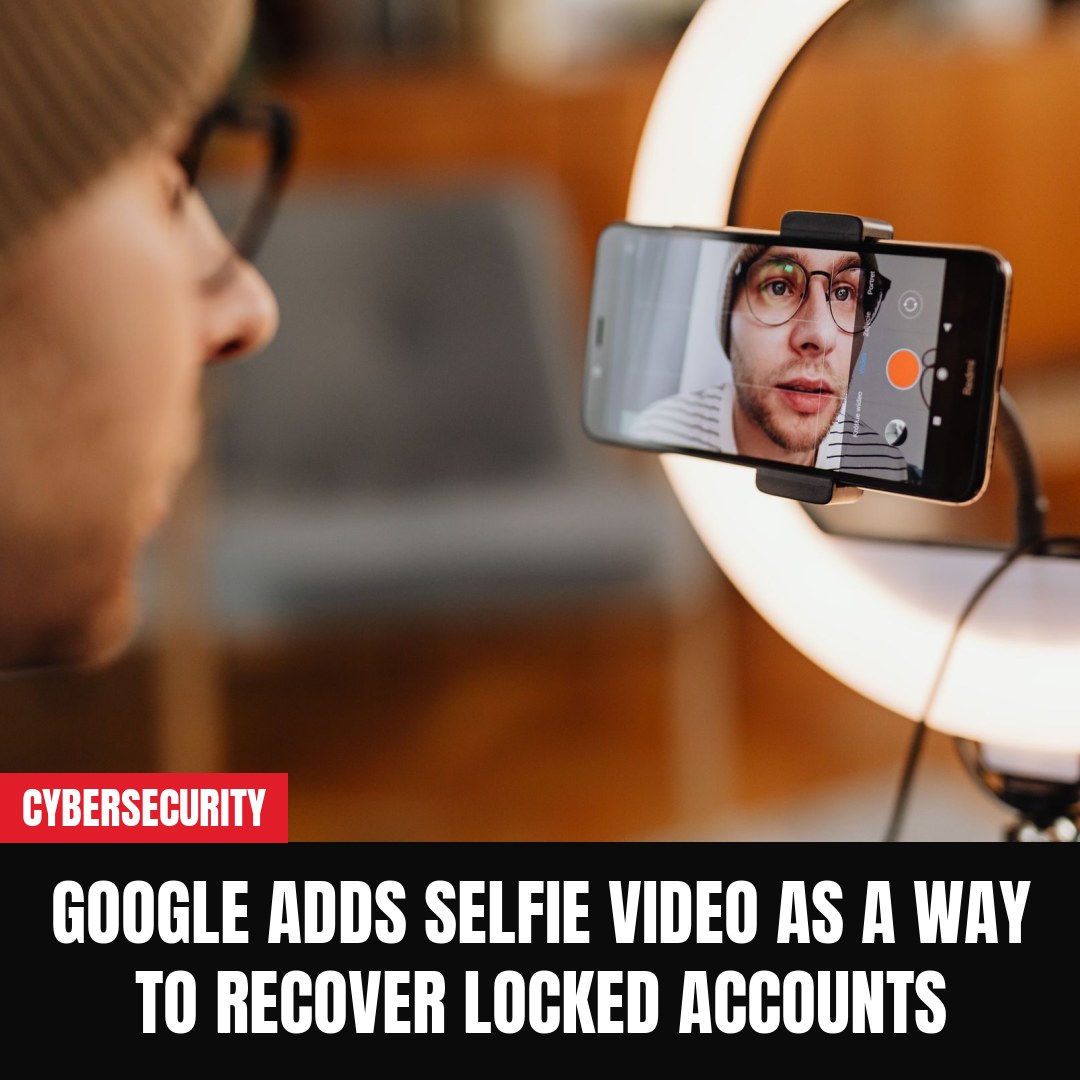
Google is introducing a selfie video feature that lets people sign in to and recover access to their accounts when their usual recovery methods are unavailable, according to reports published the same day by TechCrunch and Android Authority. The two outlets agree on the basic purpose but differ sharply in depth, and neither reports when the feature launches, where, or how the biometric data is stored.
Google is introducing a way to sign back into a locked account by recording a short selfie video, according to reports published on 23 July 2026 by both TechCrunch and Android Authority. The two outlets agree on the essentials: this is an identity check aimed at people who cannot reach their usual recovery options.
What they do not agree on is how much to say. TechCrunch and Android Authority both confirm the feature exists and what it is for. Beyond that, almost every operational detail — how the video is checked, whether it can be deleted, when it launches — rests on Android Authority alone or on neither outlet at all.
What Happened
Both TechCrunch and Android Authority report that Google is rolling out a selfie video method for signing in to and recovering access to a user’s account. Both frame it the same way: it is meant for cases where someone is locked out or has lost access to their usual recovery methods or their device.
That is the full extent of what the two outlets independently confirm. The rest of the picture comes from a single source. Android Authority reports that the recorded video is short and is used for identity verification when traditional recovery routes are unavailable. It also reports that the feature relies on liveness checks, facial matching, encryption, and Google’s existing security systems to help guard against spoofing. TechCrunch, as summarised here, does not corroborate those mechanics.
Neither report carries a number, a launch date, or a direct quote from Google.
Who This Affects
The intended users are people locked out of their Google accounts who cannot use their normal recovery methods or reach their usual device, according to both outlets. That is the only group the coverage identifies. Whether the feature is available to all account holders, whether it is optional or turned on by default, and whether there are age or eligibility limits are not addressed in either report.
What Has Changed
The reported change is the addition of a new recovery route: a selfie video that stands in for identity verification when a password, a second device, or another established method is out of reach. Both outlets present this as an alternative to those existing methods rather than a replacement, though neither spells out how the two sit alongside each other.
Timeline
- July 23, 2026 — TechCrunch and Android Authority both report that Google is introducing selfie video sign-in and account recovery. (TechCrunch, Android Authority)
Key Features
- A short selfie video used to verify identity when usual recovery methods are unavailable (Android Authority; the purpose is corroborated by TechCrunch).
- Liveness checks, facial matching, encryption and Google's existing security systems said to help prevent spoofing (Android Authority only).
- The option to delete the saved selfie video at any time (Android Authority only).
- A user choice over whether Google may use the videos to improve its facial recognition and verification technology (Android Authority only).
Expert Analysis
The honest summary is that this is thin coverage of a feature that touches biometric data, and the gaps matter more than the confirmed facts. Two outlets agree on the headline and the purpose. The moment you ask how it actually works, only one outlet — Android Authority — has anything to say, and it has a lot: liveness detection, facial matching, encryption, a delete option, and a toggle governing whether Google trains its facial recognition on your video. None of that is confirmed by a second source in the material available here.
That single-source concentration is the story’s main risk. A claim that Google lets you delete your saved selfie video is confirmed by a second outlet, 9to5Google, which reports that “You can delete the selfie video at any time, and it’s used just for signing in by default, though an optional opt-in lets data be used to improve verification methods.” (9to5google.com) It reads plausibly, but plausibility is not verification.
The silences are just as telling. Neither report says when the feature launches or whether it is live now, which platforms or devices support it, how long the biometric data is retained, or how it is stored beyond the word “encryption.” There is no independent security assessment, no mention of the regulatory questions that biometric collection usually raises, and no statement from Google itself. For a feature that asks people to hand over video of their face, those are not minor omissions.
What This Means
If Android Authority’s account holds, the design includes the controls privacy-conscious users would want: a way to delete the video and a choice about whether it trains Google’s models. But those are exactly the points that need confirmation before anyone treats them as settled, because they come from one outlet and from no direct Google statement in the reporting seen here.
For now, what a reader can safely conclude is narrow. Google is adding a face-video route to recover a locked account. It is aimed at last-resort situations. Everything past that — the safeguards, the data handling, the availability — is either unverified or unreported.
Pros and Cons
Pros
- Offers a recovery path for people locked out with no access to their usual methods or device, per both outlets.
- Android Authority reports built-in anti-spoofing measures and user controls to delete the video and opt out of model training — assurances that, if confirmed, address common privacy concerns.
Cons
- The privacy safeguards rest on a single outlet, Android Authority, and are not corroborated or confirmed by Google in the reporting available.
- Neither outlet reports how the biometric data is stored, how long it is kept, when or where the feature launches, or whether it is optional.
Frequently Asked Questions
What is Google's selfie video feature?
According to TechCrunch and Android Authority, it is a method for signing in to and recovering access to a Google account by recording a selfie video, intended for cases where a user is locked out or cannot use their usual recovery methods.
Can I delete the selfie video Google saves?
Android Authority reports that users can delete their saved selfie video at any time. This detail comes from that one outlet and is not confirmed by TechCrunch or by Google in the coverage reviewed here.
Will Google use my video to train its facial recognition?
Android Authority reports that users can choose whether Google may use their videos to improve its facial recognition and verification technology. Again, this is a single-source claim and should be treated as unverified until confirmed.
When does the feature launch and on which devices?
Neither report states when the feature launches, whether it is rolling out now, which regions or account types it covers, or which devices support it. These details are not available in the current coverage.
Conclusion
The two reports establish only that Google is adding a selfie video option for recovering locked accounts and what it is broadly for. The safeguards that would make or break such a feature — deletion, opt-out from model training, anti-spoofing — come from Android Authority alone. Watch for a direct statement from Google, a launch date and region list, and independent scrutiny of how the biometric data is stored and retained. Until those arrive, the mechanics of this feature remain a single outlet’s account.
Photo by www.kaboompics.com on Pexels