
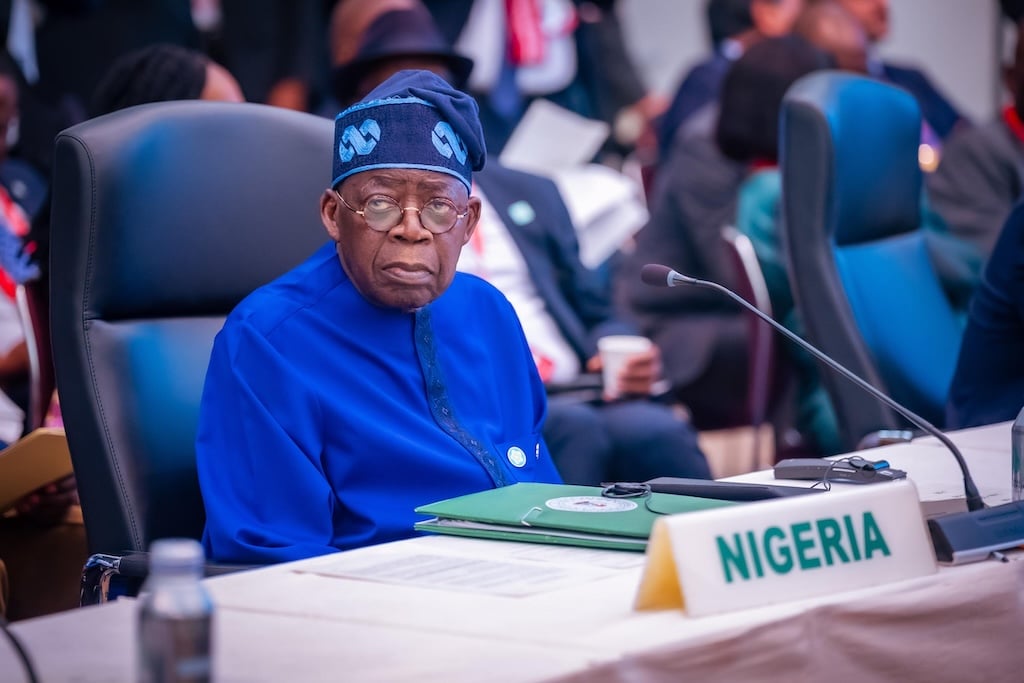
The Nigerian Presidency has firmly rejected the World Bank’s recent report claiming that 139 million Nigerians live in poverty, insisting the figure is outdated and fails to capture the current economic realities under President Bola Tinubu’s leadership.
In a detailed statement, Sunday Dare, the President’s Special Adviser on Media and Public Communication, explained that the World Bank’s estimate is based on historical data and a global poverty benchmark from 2017, which does not accurately reflect Nigeria’s current situation or income levels.
Dare highlighted that the poverty threshold used, pegged at about ₦100,000 monthly, actually exceeds Nigeria’s new minimum wage of ₦70,000, making the data less relevant for today’s context.
He stressed that the report overlooks Nigeria’s large informal sector, which supports millions of households, and called the World Bank’s figures “a model estimate, not a reflection of 2025 realities.”
The government pointed to multiple ongoing poverty reduction initiatives like the Conditional Cash Transfer program, which now reaches 15 million households, and the Renewed Hope Ward Development Programme that provides critical infrastructure across the country. Other key efforts include food security measures, affordable credit schemes for small businesses, and reforms targeting economic diversification and growth.
While the World Bank acknowledges Nigeria’s macroeconomic improvements, including GDP growth and rising foreign reserves, it cautions that these gains have yet to translate into better living standards for most Nigerians.
Experts warn inflation, especially food prices, remains a major hurdle. Public voices echo frustrations over rising costs, unstable electricity, and the slow pace of tangible benefits.
As Nigeria pushes forward with reforms aimed at sustainable growth and poverty alleviation, the debate continues over how to best measure progress and ensure the welfare of millions of Nigerians truly improves.